

Excavation equipment are vital units of construction machinery used in building projects, mining, and various ground-moving activities. Their durable design and strong capabilities make them invaluable for digging, raising, and shifting materials. To truly comprehend how these machines operate, it is important to grasp the essential components that allow them to perform such multiple functions efficiently.
At the heart of an excavator's functionality lies its several parts, each designed for a distinct function. From the chassis to the articulated arm and bucket, every component works in coordination to ensure that the machine can tackle the most challenging tasks. In this article, we will examine the key parts of an excavator, focusing on their roles and relationships. By revealing these basics, we aim to provide a better understanding of how excavators work and the reasons they are a keystone in the realm of industrial machinery.
Key Components of an Excavator
Excavation machines are sophisticated devices composed of various essential elements that work together to perform major functions in building and deconstruction. The most important feature is the undercarriage, which includes the wheels that provide movement. The undercarriage supports the total load of the machine and allows it to move across multiple landscapes, making it vital for successful functioning.
Another key feature of an excavator is the house, which is the main body that rotates on the base. The house houses the driver's area, control systems, and additional elements. This structure allows for complete swiveling, enabling the driver to manipulate the excavator exactly for multiple functions. The configuration and viewing angles of the house significantly affect the total productivity and security of the equipment.
The digging attachment, commonly referred to as the boom, is another important feature. This tool is what distinguishes the excavator from other construction machinery. The boom extends and contracts, while the bucket at its end is used for excavating, hoisting, and moving materials. The power of the hydraulic system is what allows this tool to carry out rigorous operations with ease, making it an integral part of the excavator's complete structure.
Functionality of Excavator Parts
The main part of an excavator is the boom, which is an elongated arm extending from the main body. This boom gives the excavator its reach and flexibility to maneuver at different angles. It is key for a number of tasks, including digging, lifting, and shifting materials. The hydraulic system fueling the boom permits operators to control the speed and precision of these movements, making it vital for effective operation.
Linked with the boom is the stick, also called the dipper. This part works in unison with the boom to deliver additional reach and depth for digging operations. The stick can be extended or retracted as needed, allowing the excavator to dig deeper into the ground without moving the entire machine. This functionality is important for groundwork, trenching, and foundation preparation.
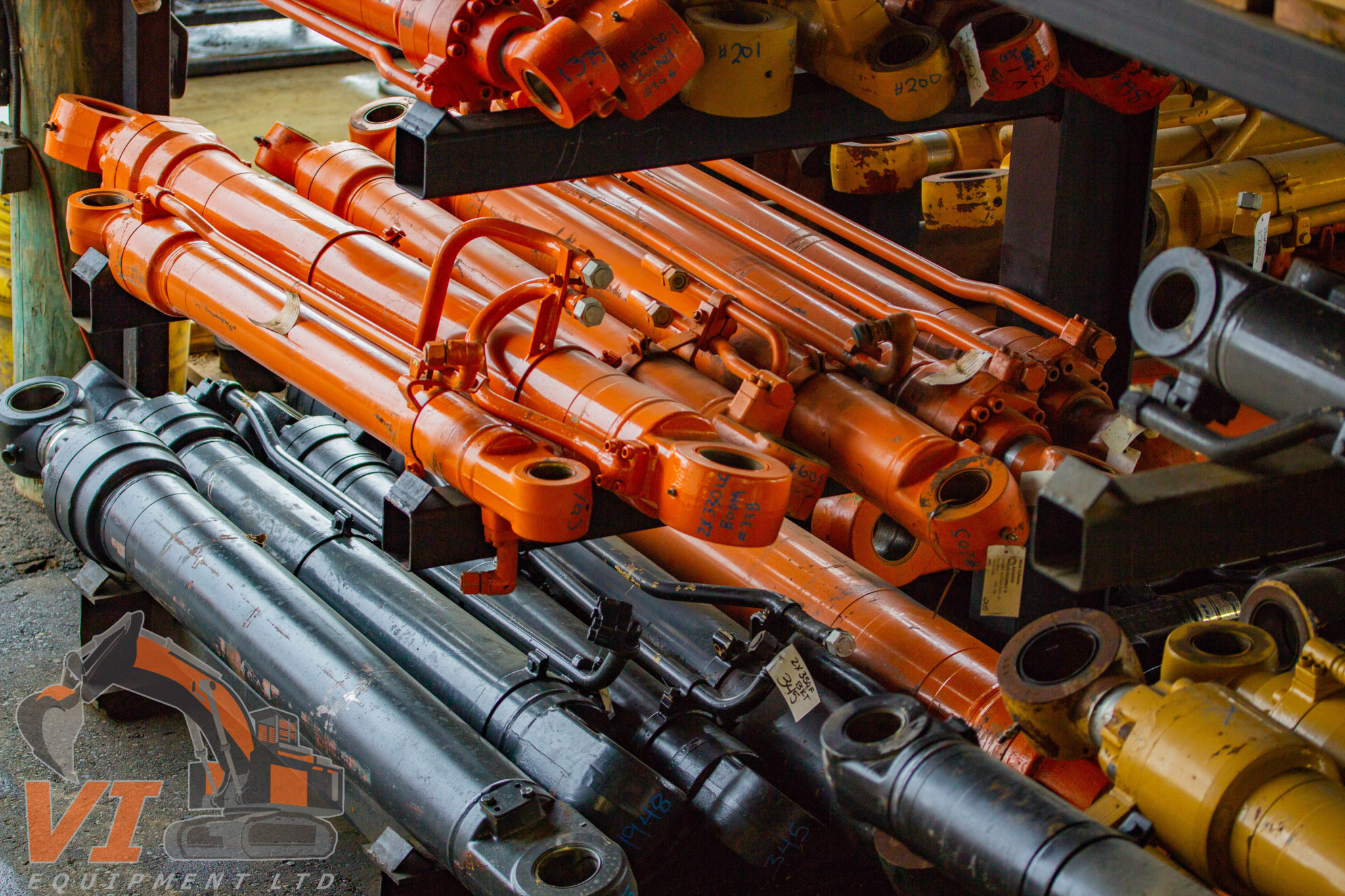
In conclusion, the bucket is the component of the excavator responsible for the actual digging and material handling. Numerous bucket types are available, each designed for particular tasks, such as digging, grading, or even demolition. The bucket's shape and size determine its effectiveness for different materials, from soft soil to hard rock. Together with the boom and stick, the bucket completes the key roles of an excavator, making it a multi-functional tool in construction and excavation work.
Care Advice for Excavating Machine Parts
Consistent maintenance of excavator components is important for optimal functionality and durability. Monitor hydraulic fluid levels frequently and replace the fluid as recommended by the maker. Clean or replace filters to avoid contaminants from damaging the hydraulic system. Examine hoses and connections for leaks or wear to guarantee the hydraulic system functions properly.
The undercarriage of the excavator requires close care. Keep the tracks clear and free of debris to enhance traction and minimize wear. Inspect the rollers and idlers for signs of deterioration or damage and grease them as needed. cat parts to track tension can also help avoid premature wear and improve the overall performance of the excavator.
Finally, routine checks on the engine and electrical systems are essential for maintaining performance. Change the oil and replace oil filters as planned, and inspect spark plugs and batteries for any problems. Consistently maintain the air filters to ensure maximum airflow to the engine. Keeping up with these maintenance tasks will maintain your excavator components in top-notch condition, guaranteeing consistent operation on your projects.